Travel Tips
 Vietnam
From the limestone islands of Ha Long Bay to the lanterns of Hoi An and the river life of the Mekong Delta, Vietnam packs a lot into one long, narrow country. These tips will help you plan your route, get the timing right and avoid the common mistakes.
What I love about Vietnam
People often ask me what I love most about a country. Every country has its good and bad sides, but here I share the positives I found on my travels.
The people. Vietnamese people welcome you more than anywhere else I have been, and that is why Vietnam is my favorite country.
- Capital
- Hanoi
- Currency
- Vietnamese dong (VND)
- Language
- Vietnamese
- Best overall
- March to April
- Emergency
- Police 113, fire 114, ambulance 115
- Electricity
- 220V, plug types A, B and C

Visa and passport
- Many visitors need a visa, including US citizens. Some nationalities can enter visa-free for a limited stay, so check the rule for your passport.
- The e-visa allows a stay of up to 90 days, with single or multiple entry. Apply about a week before you travel.
- Apply on the official Vietnam e-visa website. Many look-alike sites charge extra.
- Your passport should have at least six months of validity and a blank visa page. Enter, travel within Vietnam and leave on the same passport.
Read about visa on arrival, e-visas and online registration →
When to go
Vietnam has three weather zones, and there is rarely one perfect month for the whole country. March and April are the best compromise if you are traveling from north to south.
North
Hanoi, Ha Long Bay and Sapa are best from October to April. December to February is cold and can feel damp, so pack layers.
Central
Hue, Hoi An and Da Nang are best from January to September. Typhoons and heavy rain are most likely from October to December.
South
Ho Chi Minh City, the Mekong Delta and Phu Quoc are driest from December to May. June to November is the rainy season.
Where to go
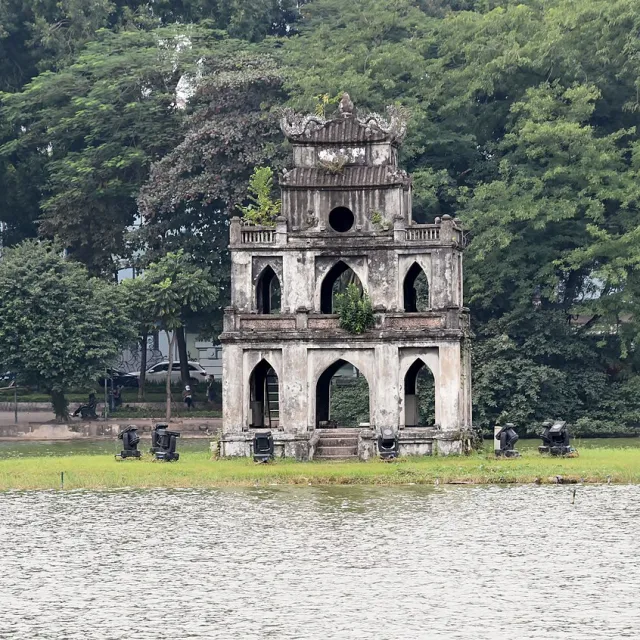
Hanoi
The capital. Walk the Old Quarter and Hoan Kiem Lake, and start with the street food.
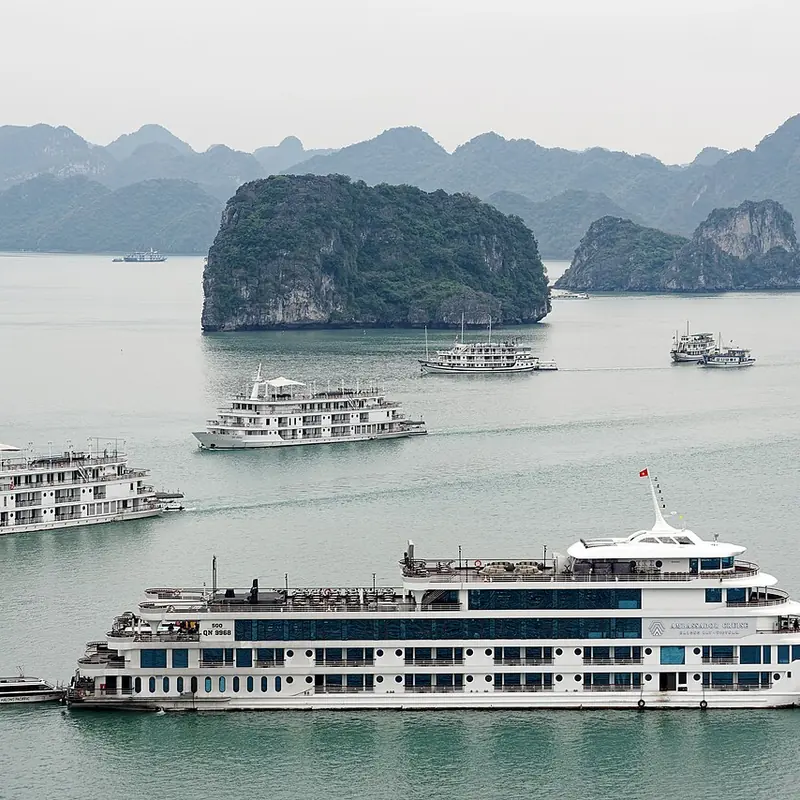
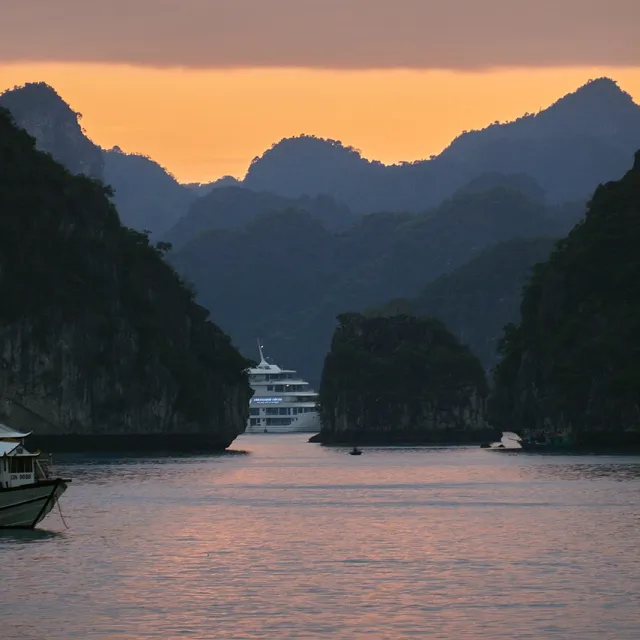
Ha Long Bay
Limestone islands rising from the sea. An overnight cruise gives you the quiet hours after the day boats leave.
Sapa
Terraced rice fields and mountain trekking in the far north, reached by overnight train or bus.
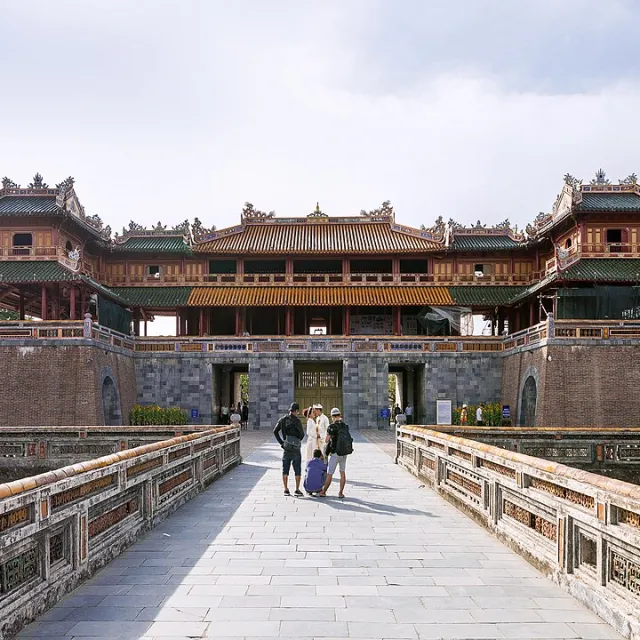
Hue
The old imperial capital, with its citadel, royal tombs and its own distinct cooking.
Hoi An
A lantern-lit old town that is best on foot or by bicycle, with beaches close by.
Da Nang
A beach city between Hue and Hoi An with a busy airport, and the Golden Bridge at Ba Na Hills nearby.
Ho Chi Minh City
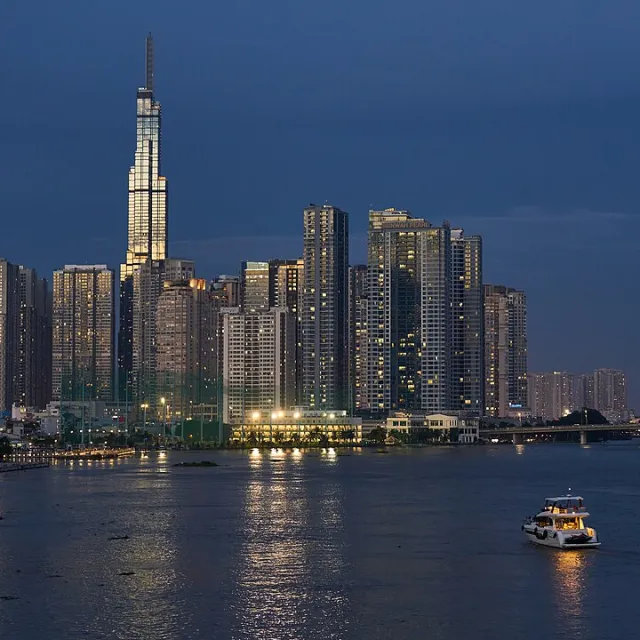
The busy southern hub, with museums, markets and an easy base for day trips.
Mekong Delta
River life, floating markets and orchards, possible as a day trip but better overnight.
Phu Quoc
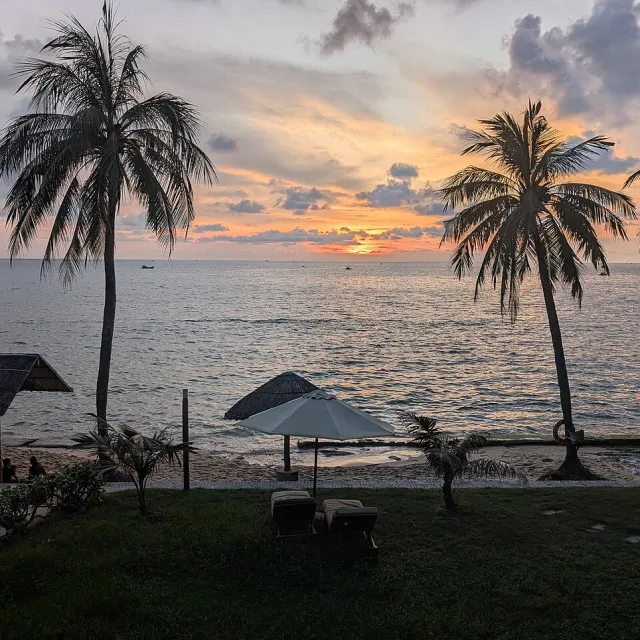
An island for beach time at the end of a trip, best in the southern dry season.
A two-week route
- Days 1 to 3 Hanoi
- Days 4 to 5 Ha Long Bay overnight cruise
- Days 6 to 7 Fly to Hue
- Days 8 to 10 Hoi An, by road over the Hai Van Pass
- Days 11 to 13 Fly to Ho Chi Minh City
- Day 14 Mekong Delta day trip, then fly home
Getting around
- Vietnam is long and narrow, so fly the longer hops such as Hanoi to Hue or Da Nang to Ho Chi Minh City.
- The north to south train is slow but scenic. Book a sleeper berth for overnight legs.
- Use the Grab app in the big cities so the fare is agreed before you ride.
- Crossing the street: walk slowly and steadily, and let the motorbikes flow around you.
- Thinking of renting a motorbike? First check the licence rules and whether your travel insurance covers you. Many policies do not cover unlicensed riders.
Money and phone
- The dong comes only in banknotes with many zeros, so check each note carefully before you hand it over.
- Carry cash for street food, markets and small shops. Hotels and larger restaurants are more likely to take cards.
- ATMs are the easy way to get dong. Check your bank fees before you leave.
- Buy an eSIM before you fly or a local SIM on arrival, so maps and Grab work from day one.
Food to try
- Pho: noodle soup, a classic breakfast.
- Bun cha: grilled pork with noodles, a Hanoi favorite.
- Banh mi: a Vietnamese baguette sandwich.
- Cao lau: the noodle dish Hoi An is known for.
- Ca phe sua da: strong iced coffee with condensed milk.
Stay safe
- Do not bring a vape. E-cigarettes and heated tobacco are banned, and the ban applies to visitors too.
- Bag snatching and pickpocketing are the most common problems. Keep your phone and bag away from the roadside.
- Drink bottled or filtered water.
- Cover your shoulders and knees at temples and pagodas, and take your shoes off where others do.
Planning a trip to Vietnam?
Book a one-on-one call and bring your questions about your route, costs and visa.
Information on this page may change, so please confirm the latest visa and entry requirements and your government travel advice on official websites before you travel.